Meaning
A systematic evaluation process assesses the mechanical soundness of operating machinery and containment structures across a facility. Conducting an asset integrity audit provides a structured review of equipment wear and maintenance history. This process confirms that the physical infrastructure can safely sustain high production rates before a facility transitions to continuous operation.
It identifies hidden vulnerabilities before they lead to unexpected downtime.
Safety Assessment
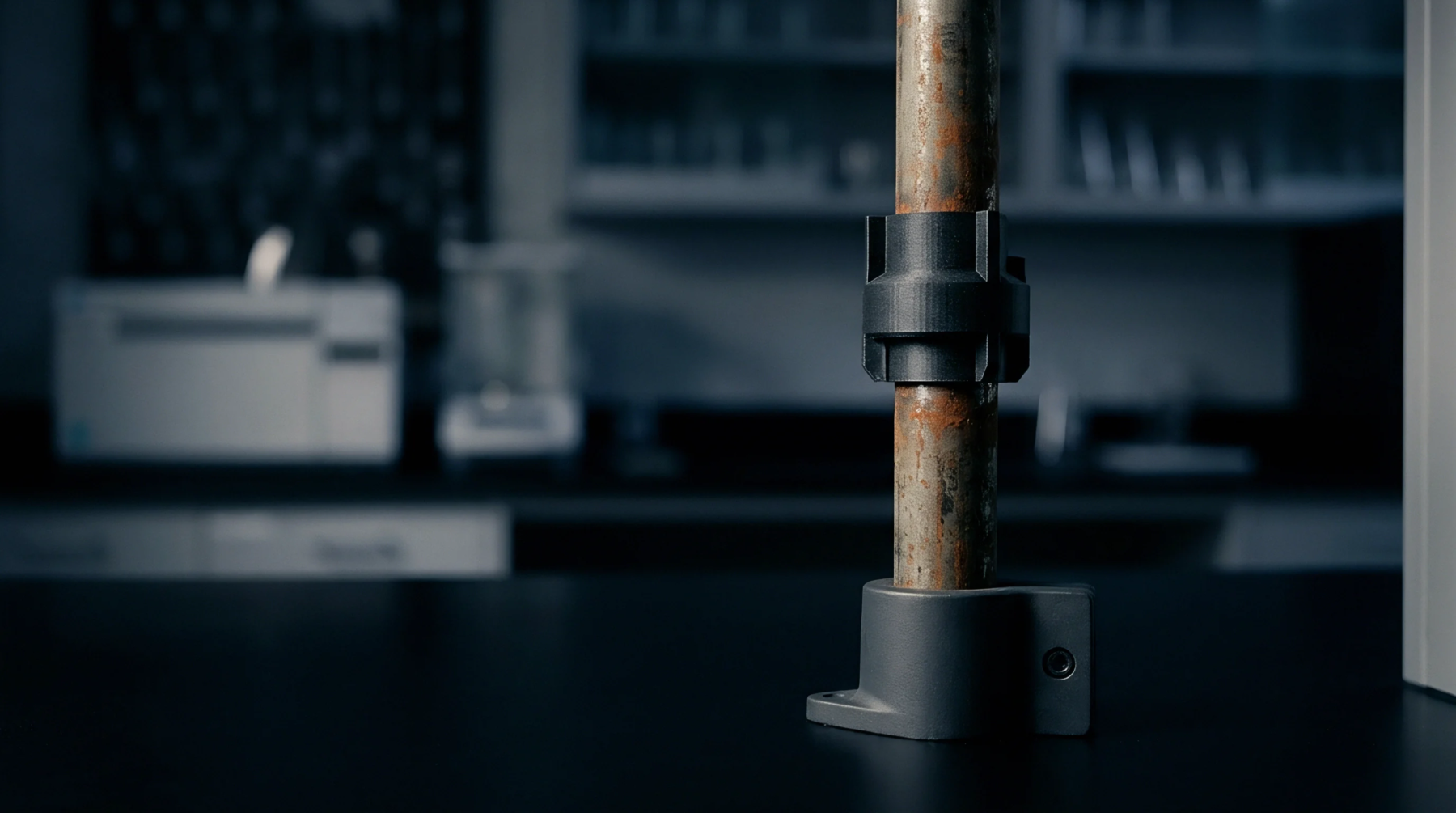
Wall thickness measurements and corrosion rates are analyzed to confirm the physical strength of critical piping systems. An asset integrity audit often reveals localized corrosion that requires immediate repair or replacement. Engineers use ultrasonic devices to measure metal loss in high-wear areas.
This safety check prevents hazardous material leaks during the subsequent production cycle.
Operational Risk
High operating temperatures and cyclic pressures accelerate the degradation of process equipment. The asset integrity audit evaluates these operating conditions against the remaining useful life of each machine. Plant managers use the audit report to schedule maintenance during planned shutdowns, avoiding the high cost of emergency stops.
Proactive scheduling ensures that production targets are met without running equipment to failure. This management of risk ensures that the plant does not experience catastrophic breakdowns during peak demand periods. It allows the company to plan capital expenditure for equipment replacement over a multi-year horizon.
Compliance Check
Regulatory bodies require detailed documentation to prove that an industrial site operates within legal safety margins. The asset integrity audit provides the necessary verification documents for local and national inspectors. It creates a clear record of equipment inspections and repairs that demonstrates adherence to safety standards.
Without this audit trail, the facility faces fines or potential closure.